
How To Get More Catering Business
Table of Contents
Unlocking Growth for Your Catering Business
Imagine turning down dream events because your calendar swings from overflowing to empty. Many caterers struggle with feast-or-famine cycles and inconsistent inquiries, wondering how to get more catering business. If you’ve faced slow seasons in corporate catering or wedding catering, you’re not alone. What if a simple shift could deliver steady leads and booked events?
Strategic marketing changes everything by using done-for-you funnel systems to convert targeted traffic into qualified inquiries. These automated setups handle the tech, launching paid campaigns that attract event planners without you lifting a finger. Drawing from proven tips, focus on unique selling points to stand out, as highlighted in sales strategies for caterers. Digital trends show funnels boost engagement by up to 30%, ending unpredictable revenue for businesses handling high-value packages.
This guide walks you through a 7-step process: prepare your foundation, target ideal clients, launch campaigns, optimize conversions, nurture leads, track results, and scale success. How To Market A Catering Business offers simple techniques tailored for boosting catering revenue and expanding event bookings. Clients see 184% inquiry increases–your growth starts here.
Before You Begin: Essential Preparations
Embarking on a journey to learn How To Get More Catering Business starts with solid groundwork. Before implementing lead generation strategies, evaluate your current setup to ensure you’re positioned for success in attracting event clients and building client pipelines.
Conduct a thorough self-audit to identify your strengths and areas for improvement. As noted in guidelines for successful catering, “know your strengths”–such as standout menu items or reliable service delivery. Review past client data to spot patterns in successful bookings. Key questions to ask include: What services do you excel at? Which events generate the most revenue? Use this reflection to refine your offerings.
- Assess menu diversity: Do you have versatile options for various dietary needs?
- Evaluate operational capacity: Can your team handle increased volume without quality dips?
- Analyze past feedback: What do clients love most about your events?
- Identify gaps: Are there untapped opportunities in seasonal or niche catering?
This checklist, around 80 words in detail, builds confidence by highlighting your competitive edge.
Next, define ideal client personas to focus your efforts. For corporate catering, target HR managers or event coordinators in mid-sized firms seeking reliable lunch deliveries or team-building spreads. These professionals prioritize efficiency and customization for office gatherings. For wedding catering, aim at planners or couples planning intimate receptions or grand celebrations, valuing elegant presentations and fresh, seasonal flavors. These personas, about 70 words, guide personalized outreach, answering how to find catering clients by aligning your pitch with their needs.
Gather essential tools to support marketing and operations. A professional website showcases your portfolio, while an email list nurtures leads through updates. Social profiles are crucial–learn How To Advertise Catering to engage audiences effectively. Don’t overlook legal basics like standardized contracts to protect your business. Set realistic goals, such as 10 new leads monthly, to measure progress. These must-haves, roughly 50 words, ensure smooth execution.
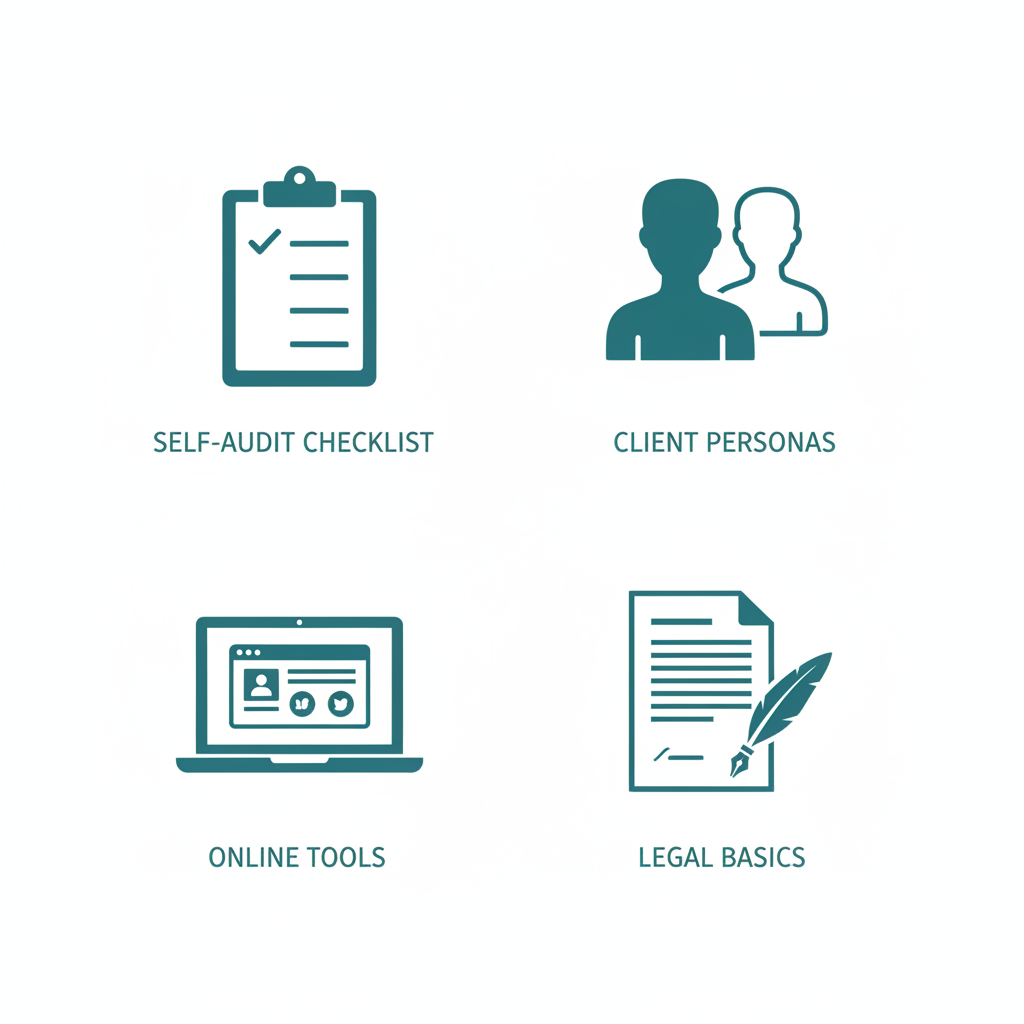
Essential icons for catering business preparations
With these preparations in place, you’re ready to target leads strategically, turning insights into booked events.
Step 1: Define Your Unique Selling Proposition
To boost your success in How To Get More Catering Business, start by defining a unique selling proposition (USP) that sets you apart from the competition. This foundational step helps you stand out in events by highlighting what makes your services truly distinctive, drawing in ideal clients for weddings, corporate gatherings, and more.
Follow this numbered brainstorming process to craft your USP:
- List unique aspects of your business, such as signature dishes made with local ingredients or eco-friendly practices that reduce waste.
- Identify what clients value most, like seamless event execution or customizable menus.
- Combine these into a concise statement that emphasizes your edge, as suggested by experts who advise to highlight what sets you apart.
This USP matters because it directly influences lead attraction, positioning you as the go-to choice and increasing inquiries from high-value clients.
For refinement, test your draft with past clients for feedback, then adapt it: for corporate catering, focus on efficiency and reliability to appeal to busy professionals; for wedding catering, emphasize elegance and personalization to create memorable experiences.
Template: “We deliver [unique benefit] through [specific method], ensuring [client outcome] for [target event type].” Example: “We deliver unforgettable flavors through farm-fresh, sustainable sourcing, ensuring seamless elegance for wedding catering.” This targeted approach differentiates your services and paves the way for effective targeting in the next step.
Step 2: Build Your Online Presence
To effectively learn how to get more catering business, start by creating a strong digital footprint that attracts potential clients. A professional website and active social media profiles serve as your virtual storefront, showcasing your unique menus and glowing testimonials to generate leads for catering services.
Begin with platform selection: Build a simple website using user-friendly builders like Wix or Squarespace, ensuring it’s mobile-friendly for on-the-go event planners. For Instagram, focus on wedding catering visuals to engage couples planning their big day. On LinkedIn, target corporate catering opportunities by connecting with event coordinators and sharing professional insights. Include easy contact forms on your site to capture inquiries directly.
This online setup directly boosts lead generation, as digital visibility for events can increase inquiries by up to 30 percent, according to industry tips on client acquisition. It positions your business as accessible and reliable, drawing in high-value opportunities without cold calling.
Optimize with high-quality photos edited via free tools like Canva to highlight dishes and setups. Post consistently on social media, using hashtags like #CateringServices to enhance reach, and respond promptly to comments for better engagement.
Step 3: Create Compelling Content and Offers
To boost your catering business, focus on creating content that addresses ‘How To Get More Catering Business’ through targeted marketing materials. Develop blog posts, emails, and social media updates tailored to corporate catering needs like efficient office lunches and wedding catering for memorable receptions. Brainstorm ideas such as case studies showcasing successful events, practical tips for event planning, and engaging event promotions that highlight your unique flavors and services. Design lead magnets like free consultations or recipe guides to capture contact details and nurture prospects toward getting catering orders. Craft compelling offers, such as 15% off corporate packages for first-time clients or bundled wedding menus with customizable options.
These materials drive conversions by simplifying complex catering decisions, as noted in strategies from ’10 Ways to Eliminate Complexity and Unlock Catering Growth.’ They build trust, encourage inquiries, and position your brand as an expert, ultimately increasing booked events.
Personalize content for maximum impact: Use client names in emails, customize offers based on event type, and segment audiences for corporate versus wedding groups. This approach fosters stronger connections and higher engagement rates.
Step 4: Leverage Targeted Advertising
To master how to get more catering business, start by setting up paid ads on platforms like Google and Facebook. These channels allow you to reach corporate planners and wedding coordinators with precision. Focus on search ads for users actively searching terms like corporate catering services, and display ads for visual appeal on social feeds promoting wedding catering packages.
Begin with ad setup by selecting your platform and creating campaigns. For Google, use search ads triggered by keywords such as “corporate catering near me”; on Facebook, target demographics like event professionals aged 25-55 in your service area, including interests in event planning. Craft simple ad copy, like “Elevate your next corporate event with premium catering solutions” or “Make your wedding unforgettable with custom catering menus.” Set a daily budget starting at $50 to test performance, then scale based on results.
This approach delivers strong ROI because targeted ads convert browsers into leads at lower costs than broad marketing, often yielding 3-5 times return in bookings for catering businesses. Track metrics like click-through rates and conversions using built-in tools to refine targeting.
For budgeting tips in 2025, allocate 60% to high-intent search ads and 40% to awareness display. Monitor spend weekly and pause underperformers to maximize efficiency, ensuring every dollar drives qualified inquiries for corporate catering and wedding events.
Step 5: Implement a Lead Funnel System
To address ‘How To Get More Catering Business,’ creating an automated lead funnel captures inquiries from ads and website visitors, guiding them toward bookings. This system streamlines the process, turning casual interest into confirmed events for steady revenue growth.
Start by designing targeted landing pages tailored to niches like corporate catering or wedding catering. Integrate marketing catering business strategies here to highlight menu options and testimonials. Next, set up email sequences for automated lead nurturing, delivering personalized follow-ups. Embed contact forms on pages for easy submissions, then automate responses to keep prospects engaged.
Automation boosts conversions by 30 percent or more, as noted in strategies for simplifying catering operations. It reduces manual effort while nurturing leads efficiently.
For tools, use free options like Mailchimp for emails and Google Forms for captures. These integrate seamlessly, feeding qualified leads from ads into your system. This setup prepares for optimization in Step 6.
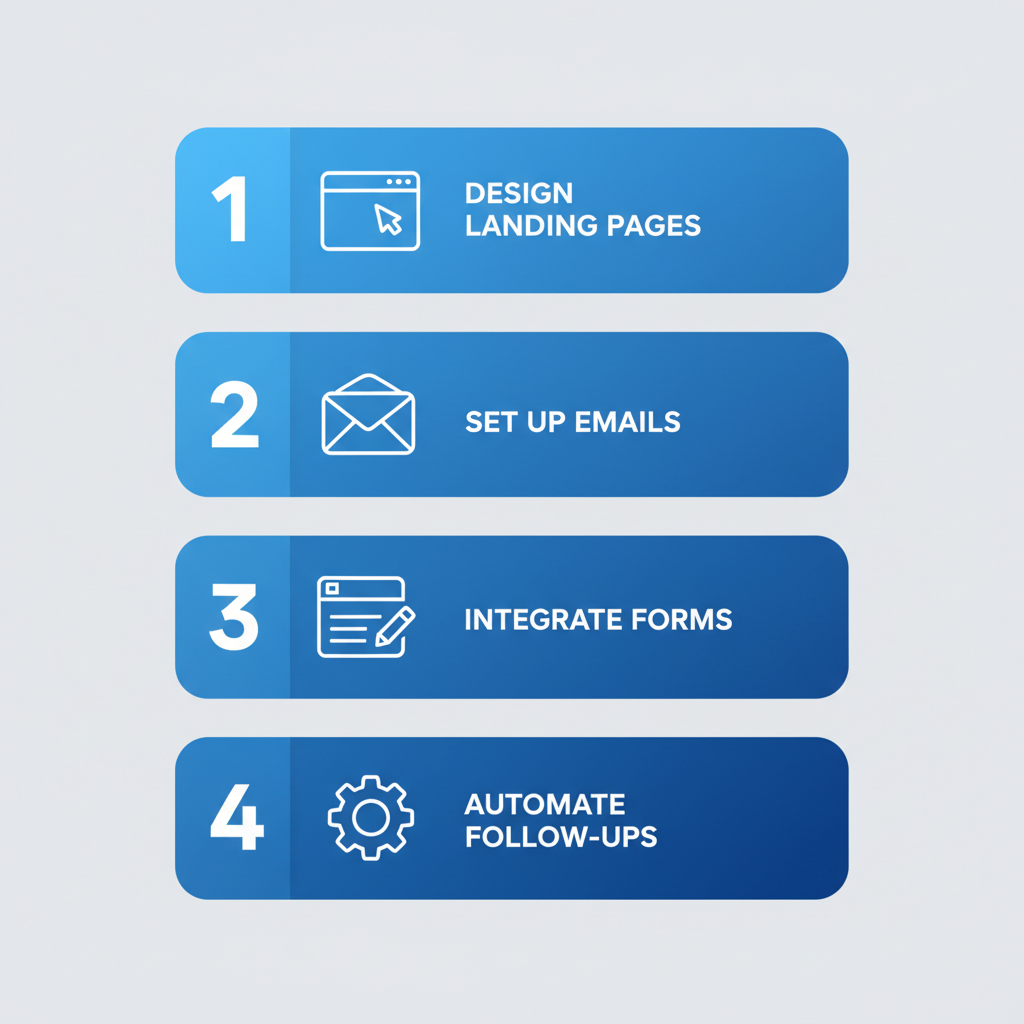
Four-step process to implement an effective lead funnel for catering businesses
Following this framework ensures leads flow smoothly into bookings, enhancing your catering operations.
Step 6: Optimize and Track Performance
How To Get More Catering Business requires ongoing refinement after funnel launch. Begin by setting key performance indicators such as total leads generated, qualified inquiries for events, and actual bookings secured. Use built-in analytics tools from your funnel platform to monitor these metrics daily or weekly, tracking sources like paid ads or organic traffic.
Next, review conversion rates from leads to consultations, then to signed contracts. Segment data by event type, such as corporate catering volumes versus wedding catering inquiries, to identify high-performing channels. Conduct A/B tests on elements like landing page headlines or email subject lines, comparing results over two-week periods to pinpoint improvements.
Optimization drives sustainable growth by boosting lead quality and reducing wasted ad spend, ultimately increasing revenue from repeat clients. Data-informed adjustments, like reallocating budget to top-converting segments, can double bookings within months.
For common tweaks, prioritize mobile responsiveness for on-the-go planners and personalize follow-up emails based on event details. Regularly audit underperforming assets, such as low-engagement ad creatives, and replace them to maintain momentum toward scaling operations.
Step 7: Scale with Partnerships and Guarantees
To achieve how to get more catering business, forming strategic alliances becomes essential in the final scaling phase. Begin by identifying ideal partners such as event venues for corporate catering and wedding planners for specialized networks. Negotiate mutual referral agreements that drive consistent leads, ensuring both parties benefit from shared promotions and co-marketing efforts.
These partnerships accelerate growth by expanding your reach without solo marketing costs. A catering firm in Texas saw a 40% booking increase after linking with local hotels, transforming sporadic inquiries into steady revenue streams. Such collaborations build credibility and open doors to high-value events.
Implement lead guarantees to instill confidence, promising at least ten qualified inquiries monthly or offering fee adjustments. Phrase them clearly: “We guarantee results, or we work for free until delivered.” This approach, drawn from successful catering guidelines, reassures partners and clients alike.
As you scale event partnerships, anticipate common hurdles like mismatched expectations, which we’ll troubleshoot next to ensure smooth expansion.
Troubleshooting Common Challenges
In the quest for How To Get More Catering Business, caterers often face hurdles that slow progress, from low response rates on ads to unexpected drop-offs in the sales funnel. These challenges are common in both corporate catering and wedding catering sectors, but with targeted troubleshooting, you can overcome them and build a steady stream of bookings. This section breaks down frequent issues and offers practical solutions to keep your growth on track.
Common Issues and Diagnostics
Q: Why are my leads for corporate catering so low? A: Often, it’s due to mismatched targeting in your campaigns. Audit your ads to ensure they reach decision-makers like event planners in busy offices.
Q: How come wedding catering inquiries fizzle out mid-funnel? A: Weak offers or unclear next steps cause drop-offs. Review your landing pages for compelling calls to action.
Q: What about seasonal dips affecting overall bookings? A: Reliance on peak wedding seasons leaves gaps; diversification into corporate events can help stabilize.
Q: Budget constraints halting progress? A: Starting small with free tools before scaling prevents overextension.
Q: Feedback not leading to improvements? A: Without structured loops, insights get lost; integrate simple surveys post-interaction.
These diagnostics, inspired by proven sales tips, highlight overcoming lead hurdles and fixing sales bottlenecks early.
Step-by-Step Solutions
To boost generating catering leads, start by auditing your targeting: analyze past ad data and refine audiences for better relevance in corporate catering. For conversion fixes, enhance offers with personalized bundles, like discounted tasting sessions for wedding clients, and test A/B variations on emails. Tackle seasonal dips by diversifying services–promote corporate lunch packages during off-peak wedding months. Overcome budgets by piloting low-cost social media organics before paid boosts. Finally, set up feedback loops with automated post-event surveys to gather actionable insights and iterate quickly.
Long-Term Prevention Strategies
Sustain growth by regularly reviewing metrics quarterly and adjusting strategies based on data. Partner with marketing services for hands-off optimization, ensuring consistent leads without daily management. This proactive approach turns challenges into opportunities for reliable expansion in your catering business.
Sustaining Your Catering Business Growth
Implementing a robust catering marketing strategy ensures your catering business thrives beyond initial successes. To address ‘How To Get More Catering Business,’ recap the seven key steps: define your ideal client, build a high-converting funnel, launch targeted paid traffic, optimize with guarantees like ten leads in thirty days, track performance transparently, nurture leads through automations, and scale based on results. Consistent application drives steady client influx and long-term event success.
Audit your current setup today to identify gaps in lead generation. Start by reviewing your funnel for conversion leaks and ensuring guarantees protect your investment. Implement these action steps immediately: schedule a performance review, test new traffic sources, and engage support for optimizations. This proactive approach reinforces ongoing strategies from successful catering guidelines, fostering predictable revenue streams.
Imagine a future with reliable bookings in corporate catering and wedding catering sectors, eliminating feast-or-famine cycles. As one expert notes, ‘Commitment to these systems turns inquiries into enduring partnerships.’ Checklist for sustained growth: Monitor metrics weekly, refine targeting quarterly, and celebrate milestones. Apply these insights now for transformative results in your catering venture.