
Marketing For Catering
Table of Contents
Essential Strategies for Catering Marketing
In the catering industry, businesses often face feast-or-famine cycles, with bookings surging one month and drying up the next. Effective Catering Marketing addresses this by blending digital and traditional tactics to secure consistent leads. According to industry insights, targeted promotion can boost inquiries by up to 184 percent, helping caterers in weddings, corporate events, and private parties achieve steady revenue growth.
Marketing for catering involves tailored strategies like catering lead generation and digital marketing for catering to overcome high competition and inconsistent leads. These approaches generate qualified inquiries, reduce reliance on word-of-mouth, and position your business for scalable success. Services like Catering Growth Engine offer measurable results, including lead guarantees, to support implementation.
Discover eight proven catering promotion tactics, from event catering advertising to client nurturing, to drive sales. Start with building your online presence to attract more event planners today.
1. Build Strong Online Presence
In the competitive world of Marketing For Catering Business, a strong online presence serves as your digital storefront, making the first impression that captivates event planners. It drives organic traffic and establishes credibility, turning browsers into bookings without relying solely on word-of-mouth.
Start with a professional website featuring high-quality photos of your dishes, detailed service menus, and easy contact forms optimized for catering lead generation. Ensure mobile responsiveness so users on the go can access your site seamlessly. For digital marketing for catering, incorporate basic SEO by using keyword-rich content like “catering services in your area” and descriptions of event packages. Set up Google My Business to boost local visibility–claim your profile, add hours, and upload images for better search rankings.
Follow these steps:
- Optimize menu pages with targeted keywords, as the UpMenu Blog suggests, which can increase inquiries by improving search positions.
- Update content regularly to keep information fresh and engaging.
- Use a simple checklist: Verify site speed, add testimonials, and enable online booking.
One caterer revamped their site with these tweaks and saw a 20% rise in leads within months. Complement this foundation with engaging social platforms for broader reach.
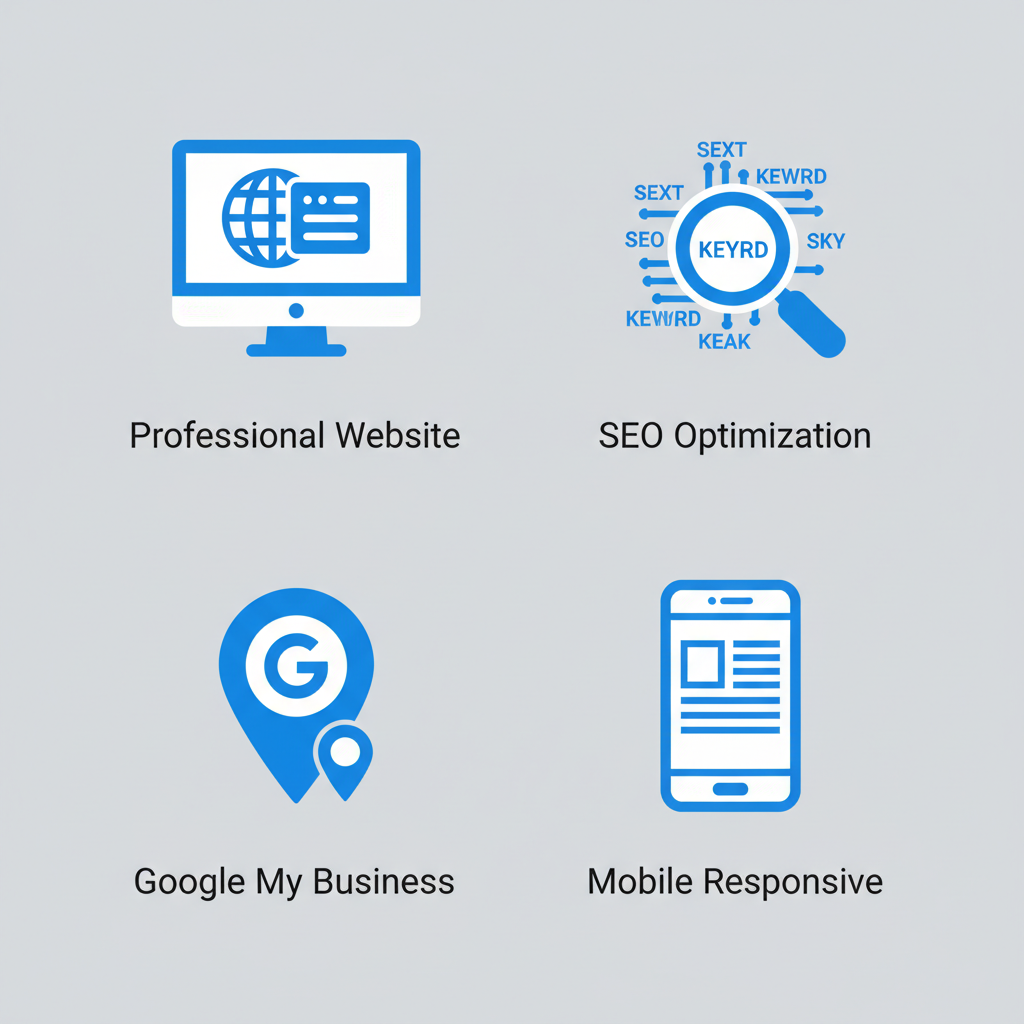
Icons for building strong online presence in catering marketing
For advanced options, consider funnels from Catering Growth Engine to automate online catering visibility and enhance digital promotion for events.
2. Leverage Social Media Platforms
In the realm of marketing for catering, social media stands out for its visual appeal, allowing caterers to showcase mouthwatering dishes and event setups that capture attention instantly. They form the backbone of catering marketing strategies.
Dive into platform-specific strategies within digital marketing for catering. On Instagram, post behind-the-scenes glimpses of food prep and client testimonials to foster authenticity and engagement. Use targeted hashtags like #CateringMagic or #EventFeasts to expand reach, and maintain a consistent posting schedule of three to five times weekly to keep followers engaged without overwhelming them. Facebook suits longer narratives, such as event recaps or polls on menu preferences, ideal for social promotion for caterers targeting local groups. Boost posts with paid ads to reach event planners in specific areas, ensuring messages like “social media for catering in urban areas” connect with the right audience. Track analytics to measure likes, shares, and inquiries, adjusting tactics based on what resonates. According to the Flip Program Blog, viral catering posts have driven up to 40% more bookings by highlighting unique dishes that go viral among food enthusiasts.
For a practical tip, launch a wedding-themed post series featuring elegant plated meals and decor pairings. Tools like Canva make creating eye-catching graphics simple and free. One caterer saw a 30% follower boost, turning views into event media marketing leads. Remember, quality over quantity prevents audience fatigue from overposting. Capture leads from social into nurture sequences to convert engagement into confirmed bookings.
3. Implement Email Marketing Campaigns
Email marketing plays a crucial role in catering lead generation, turning initial inquiries from social interactions into repeat business and booked events. By nurturing prospects with personalized messages, caterers can build lasting relationships that drive consistent sales growth. This approach emphasizes value through tailored content that resonates with event planners.
Start by building your email list through website signups and social media captures, ensuring compliance with privacy regulations like GDPR. Use free tools such as Mailchimp for setup, creating newsletters featuring seasonal menus and event ideas under digital marketing for catering strategies. Implement automation for timely follow-ups, segmenting lists for weddings versus corporate events to boost relevance. Test subject lines with A/B variations to optimize open rates, drawing from tips that show email contributing to a 25% increase in inquiries, as noted in industry sales guides.
For instance, a drip campaign from Catering Growth Engine automations sends a series of nurturing emails, yielding average 15% open rates and higher conversions for marketing for caterers. This email nurturing for events tactic not only sustains engagement but also paves the way to amplify reach with targeted paid ads spending.
4. Run Targeted Paid Advertising
Paid advertising offers a rapid boost to catering lead generation, delivering qualified prospects from event planners faster than organic methods. Platforms like Google Ads and Facebook allow precise targeting based on demographics, interests in weddings or corporate events, and location preferences, ensuring ads reach high-intent audiences ready to book.
Craft compelling ad copy that highlights high-value packages, such as premium wedding menus or executive luncheons, to attract decision-makers. For budgeting in marketing for catering, start small with $50 to $100 daily spends to test performance, tracking ROI through metrics like cost per lead and conversion rates. Retargeting website visitors who abandon inquiries keeps your brand top-of-mind, while tools monitor results for optimization. According to case studies from catering marketing blogs, targeted paid promo for caterers can reduce lead costs by up to 40 percent.
One effective tip: Launch a simple Facebook campaign focusing on ad-driven event leads in your area, yielding around 10 qualified inquiries per week with modest investment. Scale by analyzing data and expanding budgets on top performers. This approach extends email outreach by funneling direct traffic into conversion systems. For hands-off management, consider services like Catering Growth Engine to handle setup and scaling professionally.
5. Create Lead Generation Funnels
Effective funnels transform ad traffic into qualified leads for catering businesses, guiding prospects from initial awareness to confident bookings. In catering lead generation, these automated systems streamline the process, ensuring no opportunity slips away. By channeling paid ads into structured paths, caterers can boost conversions and scale operations efficiently.
Building a funnel starts with the awareness stage, where targeted content introduces your services to potential clients searching for event solutions. Move to the interest phase with landing pages featuring compelling offers and opt-in forms for lead capture systems. Here, digital marketing for catering shines through personalized emails that nurture curiosity. In the decision stage, provide testimonials and easy booking tools to close deals. Integrate automation software, like options from Connecteam, which enhances lead handling efficiency by up to 30 percent through seamless workflows. Connect this funnel directly to your ad campaigns for real-time traffic flow, and use A/B testing on headlines and calls-to-action to optimize conversion rates, often improving performance by 20 to 40 percent.
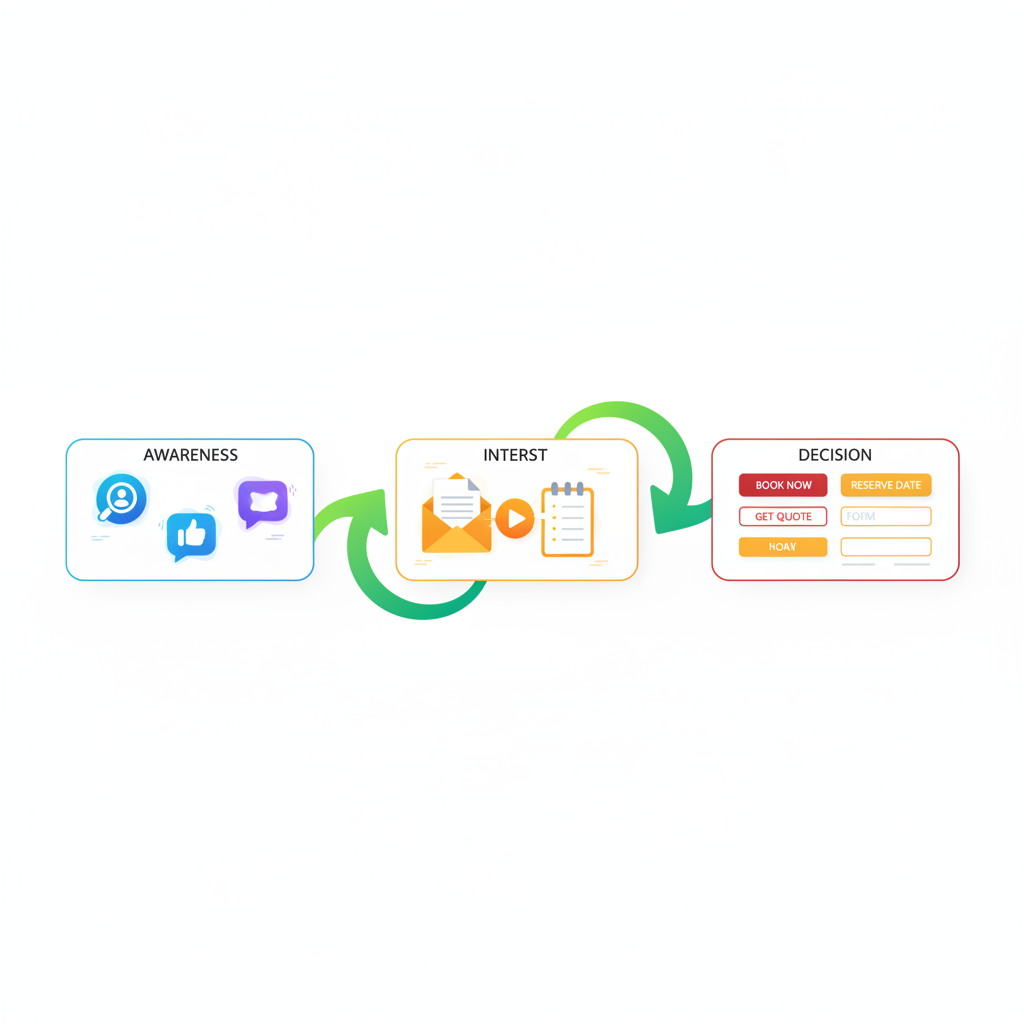
Three-stage lead generation funnel for catering businesses.
For a proven example, implement a simple template with a free event planning guide as the opt-in lure, which has yielded 40 percent higher conversions in funnel building for events. If setup feels overwhelming, consider done-for-you services like Catering Growth Engine, which handles everything from design to launch for predictable results.
6. Develop Content Marketing Plan
Content marketing forms a cornerstone of digital marketing for catering, helping businesses showcase expertise and draw in organic leads. By creating valuable resources, caterers position themselves as industry authorities, fostering trust that converts curious visitors into loyal clients over time.
Explore diverse content types to captivate your audience. Start with blog topics on event trends, such as sustainable wedding menus or corporate gala innovations, to spark interest in informative event guides. Produce video recipes and step-by-step guides demonstrating signature dishes, which boost engagement–according to industry insights, videos can increase interaction rates by up to 80 percent. Distribute these assets across social media and email newsletters to enhance catering lead generation. Optimize everything for SEO by incorporating relevant keywords like seasonal catering tips, ensuring higher search visibility. For content strategies for caterers, plan a editorial calendar using free tools like WordPress, scheduling posts around peak event seasons to maintain consistent momentum.
For instance, a blog post on holiday party ideas might drive 50 visits per month, gradually building email subscribers and inquiries. This approach complements your funnel system with evergreen assets, paving the way to collaborate for broader reach through partnerships.
7. Foster Partnerships Networking
While digital channels drive much of ‘marketing for catering,’ building strong relationships remains essential for sustainable growth. Offline networking expands ‘catering lead generation’ by tapping into trusted referrals from industry peers, creating a balanced approach that complements online efforts.
Collaborate with event planners to co-host tastings and share client lists, ensuring mutual referrals. Join wedding vendor networks, where photographers and venues recommend your services during bridal shows. Attend trade shows and local ‘networking for event pros’ mixers to showcase menus and collect contacts. Implement referral incentives, like discounts for successful introductions, and use follow-up strategies such as personalized thank-you emails to nurture leads. Track these partnerships with simple CRM tools to measure impact on bookings.
For instance, partnering with a local florist yielded 10 additional events yearly for one caterer, boosting revenue by 15 percent. ‘Partnership promo tactics’ like joint social media posts tie offline connections to digital visibility, amplifying reach through ‘catering marketing companies‘ expertise.
8. Launch Referral Programs
Word-of-mouth recommendations build unparalleled trust in the catering industry, where personal experiences drive decisions. Referral programs transform satisfied clients into powerful advocates, amplifying your digital marketing for catering efforts with authentic endorsements that resonate deeply.
To set up an effective program, structure it around simple incentives like discounts on future events or exclusive perks for referrers. Promote it through targeted email campaigns and social media posts, weaving in your marketing for catering strategies to reach past clients effortlessly. Use affordable tracking software to monitor referrals and attribute new business accurately, while integrating client testimonials to showcase success stories. This approach boosts catering lead generation by up to 30%, as supported by industry insights, and scales seamlessly as your business grows through client advocacy tactics.
For instance, offer a 10% discount for each successful referral, which one catering firm used to secure five new clients monthly, turning loyal customers into a steady revenue stream.
Integrate these strategies with others for comprehensive success in growing your catering business.
Integrating Catering Marketing Strategies
Implementing a comprehensive approach to marketing for catering unlocks sustained growth and reliable event bookings. By recapping these eight key strategies–social media engagement, SEO optimization, email nurturing, content creation, partnerships, paid ads, referral programs, and analytics tracking–you build a robust pipeline that drives inquiries and revenue, as highlighted in tools from Connecteam and sales tips from Tripleseat.
Integrating them creates synergy: pair social posts with funnels for enhanced catering marketing strategy, boosting catering lead generation while digital marketing for catering ensures targeted reach. This holistic catering promotion amplifies growth tactics for events, turning sporadic leads into consistent bookings. Track results to refine efforts, and consider expert support like Catering Growth Engine’s guarantee of 10 leads in 30 days.
Start small: apply one strategy today, measure its impact, and scale for transformative results in your catering business.