
Catering Business Web Design
Table of Contents
Essential Web Design Choices for Catering Businesses
In the competitive world of catering, effective Catering Business Web Design serves as a vital tool for attracting clients and securing bookings. A professional catering website not only showcases menus and portfolios but also streamlines inquiries through intuitive contact forms, turning visitors into loyal customers.
Many caterers opt for DIY platforms, which offer quick setup but often lack the polish needed to convert traffic effectively. Common pitfalls include cluttered layouts and slow loading times that frustrate users. Instead, performance-based options like the catering growth engine provide done-for-you funnels, guaranteeing leads without the hassle, as seen in top agencies praised for their results.
This guide explores six essential considerations: platform selection, hiring designers versus DIY, cost versus ROI, mobile responsiveness, SEO integration, and analytics tracking. Drawing from successful examples, such as portfolio galleries that boost inquiries by 30 percent, these choices build a robust event catering online presence for sustained growth.
1. Choosing the Right Platform
Selecting the ideal platform is crucial for effective web design for caterers, especially in Catering Business Web Design where user-friendly interfaces can streamline bookings and showcase menus. Many catering entrepreneurs face the dilemma of DIY builders versus advanced systems that integrate lead generation tools seamlessly.
When building a catering website, popular options include Wix, Squarespace, and WordPress, each offering unique benefits for event-based businesses. Wix excels in drag-and-drop simplicity, boasting 99% uptime for reliable performance, making it ideal for quick setups of mobile-responsive sites that highlight catering services. Squarespace provides polished templates with built-in e-commerce add-ons, perfect for selling menu packages online without coding knowledge. WordPress offers coding flexibility as a robust platform for event catering sites, allowing custom plugins for booking calendars, though it requires more maintenance to capture leads effectively.
These builders handle basic customization for a catering service website but often fall short in automated funnels for consistent inquiries. For instance, a Chicago-based caterer using Wix integrated a simple contact form, boosting initial event leads by 20%, yet struggled with follow-ups without added marketing. Start with a builder’s catering template to prototype your online hub, then evaluate scaling to integrated solutions for sustained growth.
2. Selecting Optimal Templates
Choosing the right template sets the foundation for your catering web design, creating an instant visual impact that captivates potential clients from the first click. A well-selected catering website template not only showcases your culinary expertise but also builds trust through professional aesthetics, encouraging visitors to explore your services and convert into leads. In the competitive world of Catering Business Web Design, templates that prioritize mobile responsiveness and fast loading times ensure a seamless experience, aligning with user expectations for event planning.
Explore three standout template styles tailored for catering businesses. Minimalist designs emphasize clean lines and ample white space, ideal for highlighting elegant menus without overwhelming visitors; their pros include quick navigation and a sophisticated feel that suits upscale events. Gallery-focused templates shine for portfolio-driven sites, featuring image sliders of plated dishes and event setups, which boost engagement by 30% according to award-winning designs from industry leaders. Interactive catering service website templates incorporate dynamic elements like zoomable galleries or booking calendars, enhancing user interaction while embedding SEO-friendly features such as alt-text optimization and schema markup. Free options offer basic functionality for startups, but premium templates provide advanced customization, better support, and conversion tools, often justifying the cost with higher lead rates. Remember, while these template ideas for catering sites excel in aesthetics, they alone won’t generate traffic; pair them with targeted funnels for optimal results.
For a hands-on example, start with a customizable catering web layout like a gallery-focused template and adapt it for your menu showcase: upload high-res photos of signature dishes, integrate branding colors to match your logo, and add testimonial carousels below. Test variations through A/B testing to see which layout drives more inquiries, focusing on calls-to-action like “Book Now” buttons that guide users toward event bookings.
3. Deciding on Professional Help
As a busy caterer, deciding on professional help for your Catering Business Web Design can feel overwhelming, especially with event deadlines looming. You might wonder if tackling a catering website yourself saves time and money, or if expert input yields better results for bookings. The truth lies in assessing your needs against the complexity of creating a site that converts visitors into clients.
When DIY efforts fall short, signs like needing complex integrations for online ordering or event calendars signal it’s time for a pro. Hiring experts in Catering Web Design ensures seamless functionality, while poor design risks losing leads to competitors with polished sites. Freelancers offer affordable timelines, often completing projects in 4-6 weeks for $2,000-$5,000, but agencies provide comprehensive services at $10,000+, handling everything from SEO to maintenance. For caterers juggling kitchens and clients, hassle-free professional catering site creation minimizes stress and maximizes ROI through higher conversion rates. Consider scenarios: a solo operator might thrive with freelancer support, whereas a growing team benefits from agency scalability to avoid feast-or-famine cycles.
To choose wisely, prepare these adapted interview questions in a checklist format:
- What experience do you have with catering service websites, especially event booking integrations?
- How do you incorporate SEO to attract local event planners?
- Can you share portfolios of similar high-converting sites?
- What is your timeline and process for revisions?
- How do you measure success, like lead generation metrics?
These questions, drawn from best practices, help evaluate fit and build confidence in your investment for sustained growth.
4. Understanding Design Costs
Many caterers underestimate the investment needed for a strong online presence, leading to budget overruns or subpar results. Designing a Catering Business Web Design that attracts clients can range from a few hundred dollars to tens of thousands, depending on the approach. This section demystifies these costs, helping you plan for an effective digital strategy without unnecessary surprises.
When budgeting for catering online presence, consider three main tiers. DIY platforms like Wix or Squarespace offer affordable catering site builds at $10-50 per month, ideal for basic menus and contact forms, though they limit customization. Freelancers charge $1,000-5,000 for tailored designs, drawing from portfolios on sites like Upwork, where average projects for restaurant sites hit around $3,000 based on agency benchmarks from DesignRush listings. Professional agencies start at $5,000 and can exceed $20,000 for custom catering websites, including responsive features and SEO integration. Hidden costs add up: stock images ($50-200), domain registration ($10-20/year), and ongoing maintenance ($500-2,000 annually). Marketing add-ons, such as email tools, tack on $20-100 monthly. For a catering service website, weigh long-term value; a $10,000 investment might generate 50 leads yearly, yielding $50,000 in bookings at a 10% conversion rate, far outweighing initial outlay.
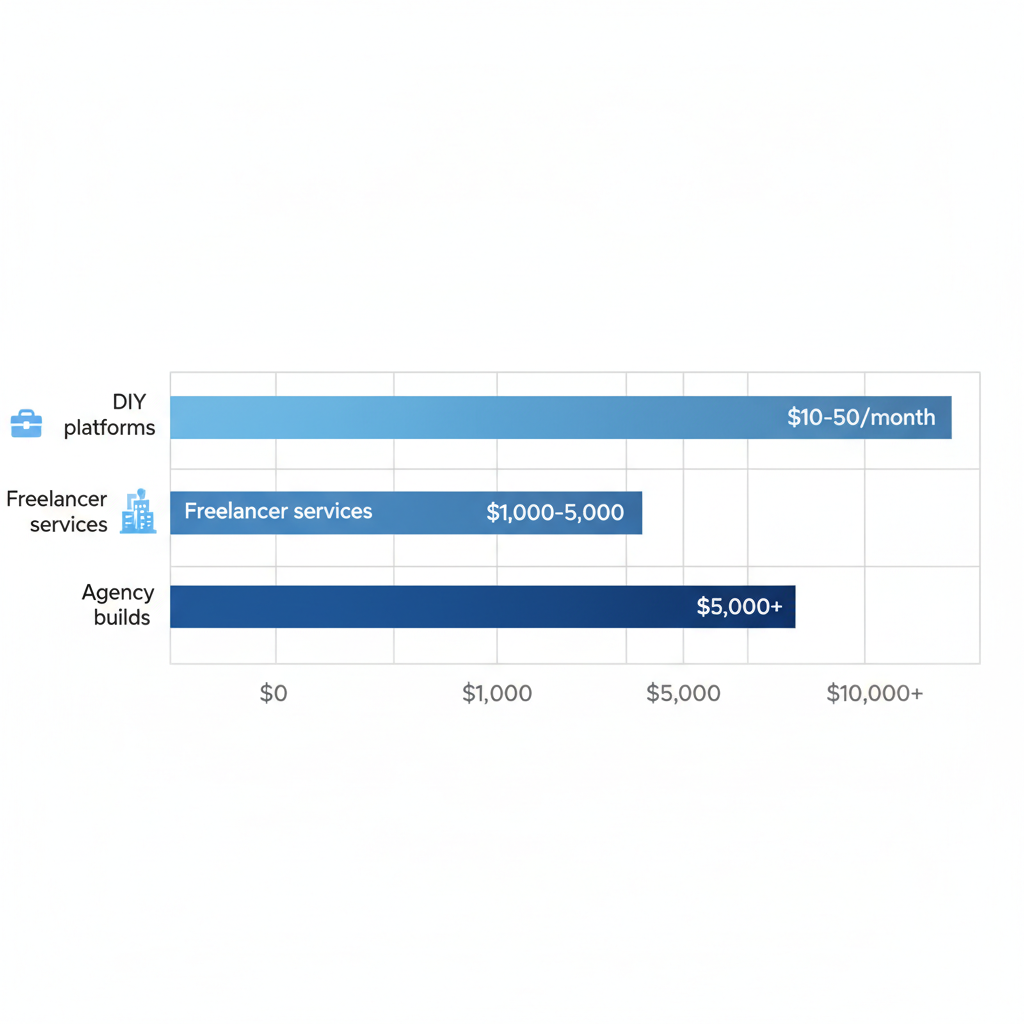
Catering website design cost breakdown by category and range
This visual highlights how options scale with complexity, allowing caterers to align spending with business goals. Investing wisely ensures your site drives inquiries efficiently.
To save on costs, start with a clear brief outlining essential features like online booking calendars, avoiding scope creep. Opt for no-upfront-risk models from reputable providers, often with guarantees like free revisions or performance assurances. Leverage free tools for initial content creation and negotiate bundled maintenance with designers. For caterers, prioritizing mobile optimization and basic SEO delivers quick ROI through organic traffic, turning affordable catering site builds into lead-generating assets without breaking the bank.
5. Identifying Key Features
Investing in Web Design Catering Company goes beyond basic layouts to include features that drive conversions and client engagement. Essential catering site elements turn visitors into leads by showcasing your expertise and simplifying inquiries, ultimately boosting bookings for events like weddings and corporate gatherings.
When planning your Catering Business Web Design, prioritize these top five feature-rich event platforms to elevate your online presence:
- Portfolio Galleries: A dynamic catering website with high-quality photo galleries lets potential clients visualize your menu presentations and setup creativity, inspiring confidence in your styling for various occasions.
- Online Quoting Tools: Integrate instant estimators on your catering service website to provide quick pricing based on guest counts and menu selections, reducing barriers and capturing leads faster than manual forms.
- Testimonials Section: Display client reviews and ratings to build trust, highlighting successful events and repeat business that reassure prospects of your reliability.
- SEO Basics and Mobile Optimization: Ensure search visibility with optimized content and responsive design, making your site accessible on all devices for on-the-go event planners.
- Calendar Integration and Advanced Tools: Sync availability with booking calendars and add chatbots for real-time queries; unlike static pages, these automate interactions. Reference insights note that interactive menus increase engagement by 30%, while automated funnels nurture leads through follow-ups, contrasting passive features by guiding users toward bookings.
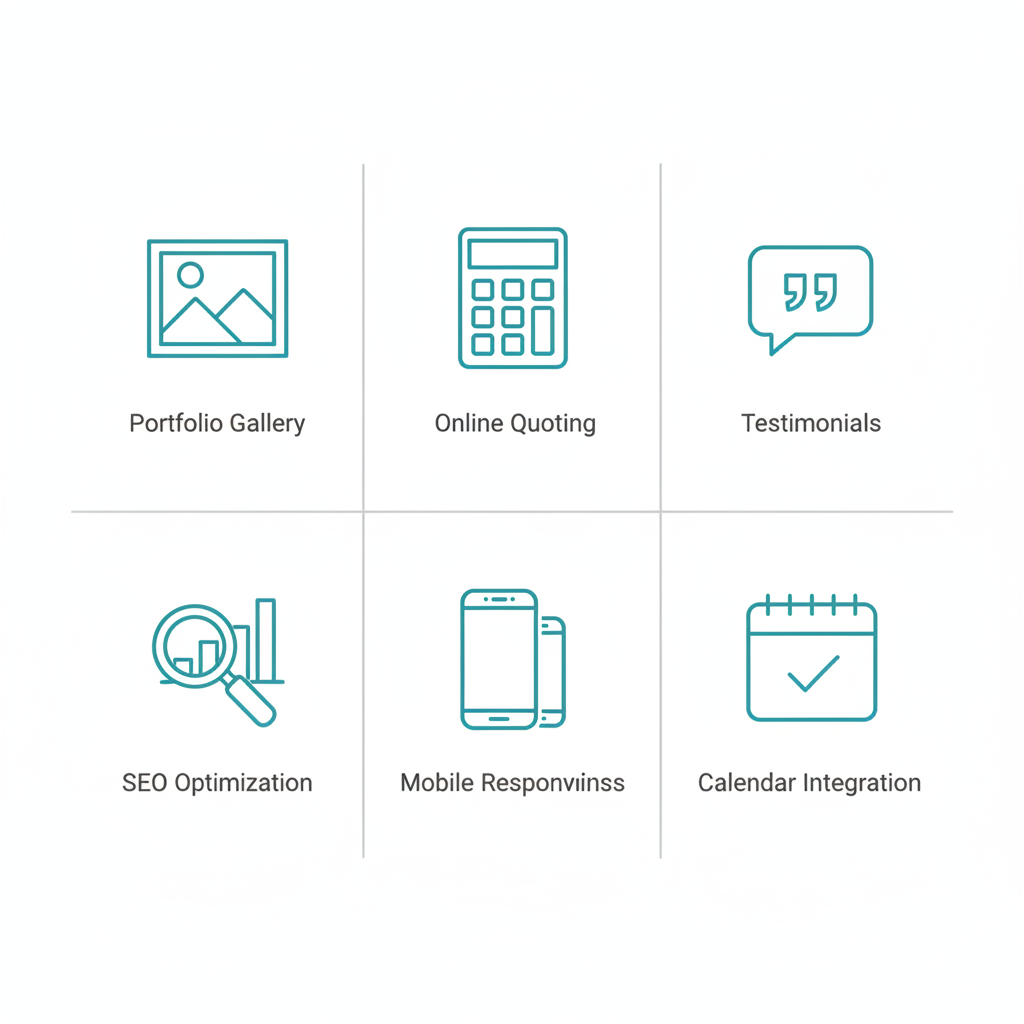
Key icons for essential features in catering business websites
For a wedding caterer, implement these by featuring a gallery of elegant receptions, a quoting tool for customizable packages, and chatbot support for venue-specific questions. This setup streamlines consultations, as seen in scenarios where couples book directly after browsing optimized mobile views, turning site visits into confirmed events within days.
6. Optimizing for Success
In the competitive world of event planning, effective Catering Business Web Design serves as the foundation for attracting more clients. Optimizing your site ensures it not only looks appealing but also performs exceptionally, driving qualified leads and bookings. By focusing on key areas like SEO and loading speed, caterers can transform their online presence into a powerful growth engine.
On-page SEO plays a crucial role in making your catering website visible to local searches, such as those for wedding or corporate events. Incorporate targeted keywords naturally into titles, meta descriptions, and content to improve rankings–think phrases like “catering services in Chicago” paired with location-specific pages. For speed, compress images, enable browser caching, and choose lightweight themes to achieve load times under three seconds, which can boost conversion rates by up to 32 percent. Tools recommended in website builder guides for restaurants emphasize mobile optimization; always inquire about mobile speed scores when working with designers to ensure seamless user experiences. While A/B testing headlines and calls-to-action refines performance over time, these organic tactics have limitations compared to paid traffic funnels, which deliver quicker results by targeting high-intent audiences directly.
Consider a successful catering service website for a Chicago-based firm that revamped its design with optimized catering online designs. By implementing fast-loading galleries of past events and clear booking forms, they saw a 50 percent increase in inquiries within months. This example highlights successful event site strategies: start with user testing, then iterate based on analytics for measurable ROI. Pair these refinements with a done-for-you funnel system to accelerate lead generation and end feast-or-famine cycles.
Choosing Funnel Over DIY Design
In summary, effective Catering Business Web Design prioritizes user-friendly platforms and customizable templates over DIY trials. Hiring experts saves on hidden costs, unlocking advanced features like automated bookings and SEO optimization that boost visibility. A professional catering website or catering service website delivers superior catering online strategies, far outperforming amateur setups in attracting traffic through targeted catering ads and converting visitors into leads.
Opt for done-for-you funnels that guarantee results, as seen in top agencies’ success metrics with 184 percent inquiry increases. These lead-focused web solutions ensure predictable growth, eliminating feast-or-famine cycles for your catering business.
Ready to transform your online presence? Contact us today for performance-based services that deliver qualified leads without the hassle.